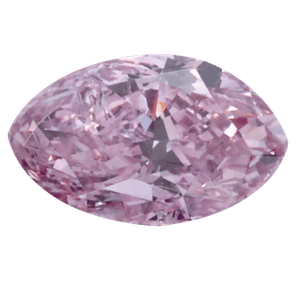
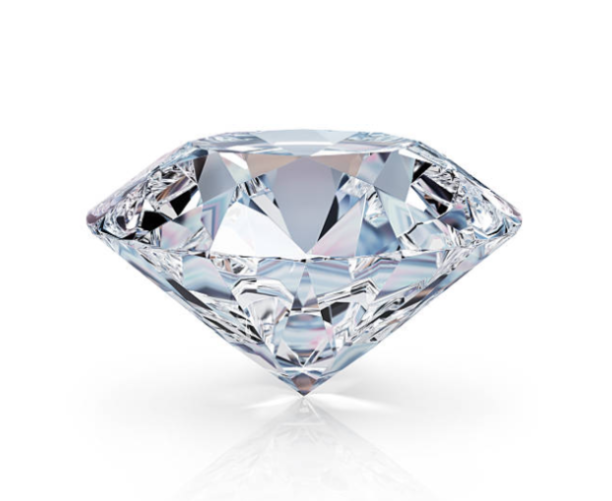
A Diamond is a precious gemstone and a crystalline form of carbon known for its exceptional hardness, brilliance, and sparkling appearance Diamonds have been highly prized throughout history for their use in jewelry, as well as for their industrial applications due to their hardness.
Diamonds are formed deep within the Earth’s mantle under high pressure and temperature conditions, The process of diamond formation is known as “diamond crystallization” and typically involves many stages: Diamonds form under extremely high-pressure conditions, usually at depths of 140 to 190 kilometers (about 87 to 118 miles) beneath the Earth’s surface temperatures, generally ranging from 900 to 1,300 degrees Celsius (1,652 to 2,372 Fahrenheit ) During a volcanic eruption, molten rock containing diamonds rapidly ascends to the surface.
Once at the surface, the volcanic material cools, and diamond deposits are left in pipes or dikes associated with the volcanic activity. Over time, weathering and erosion can expose these diamond deposits, making them accessible for mining. The entire process of diamond formation is extremely slow, taking millions to billions of years. This is why diamond deposits are not found everywhere, and they are considered very precious.
The process of diamond manufacturing begins with mining, where rough diamonds are extracted from the earth. These rough diamonds are then sorted and assessed for quality and size. The next step is cutting, where the diamonds are precisely shaped and faceted to enhance their brilliance. Polishing follows, where the diamonds are smoothed to achieve a flawless surface. Finally, the polished diamonds undergo a thorough inspection and grading before being set into jewelry or sold.
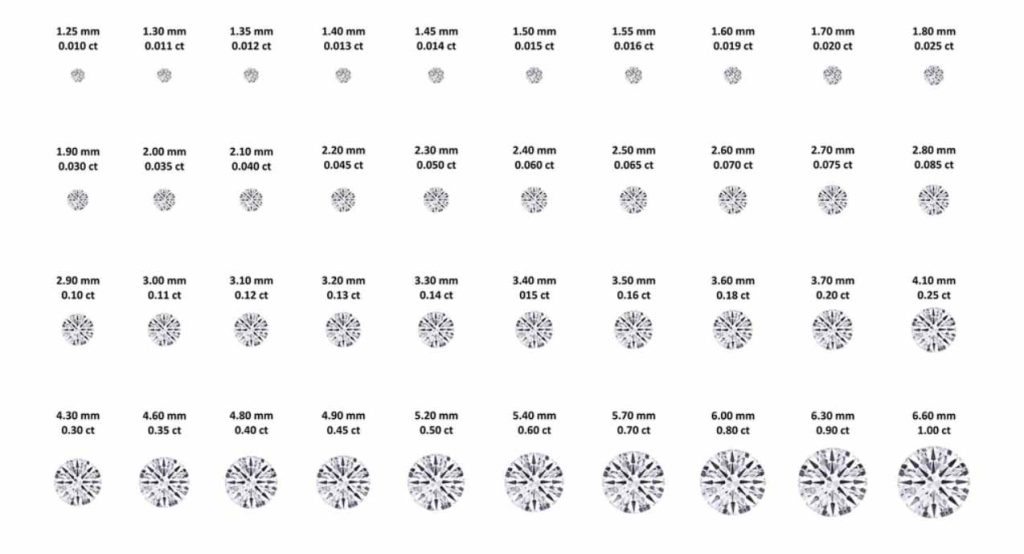
Carat, a fundamental metric in the world of diamonds, refers to the unit of measurement determining a diamond’s weight. Refers to the weight of the diamond. One carat is equivalent to 0.2 grams.
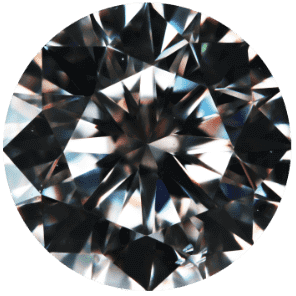
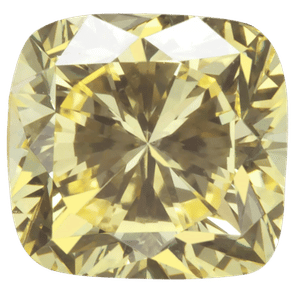
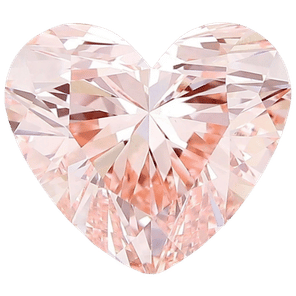
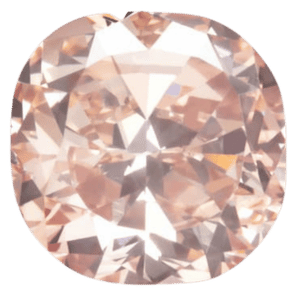
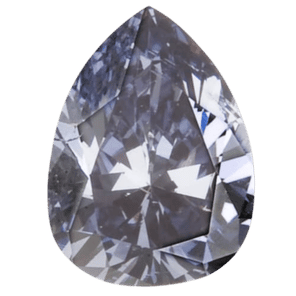
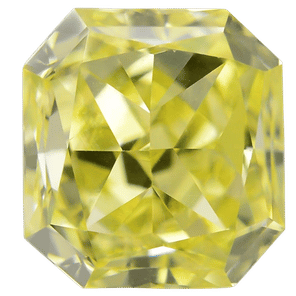
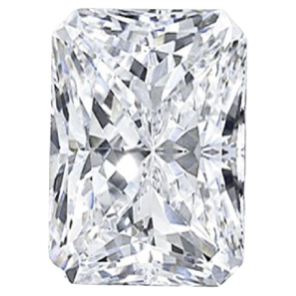
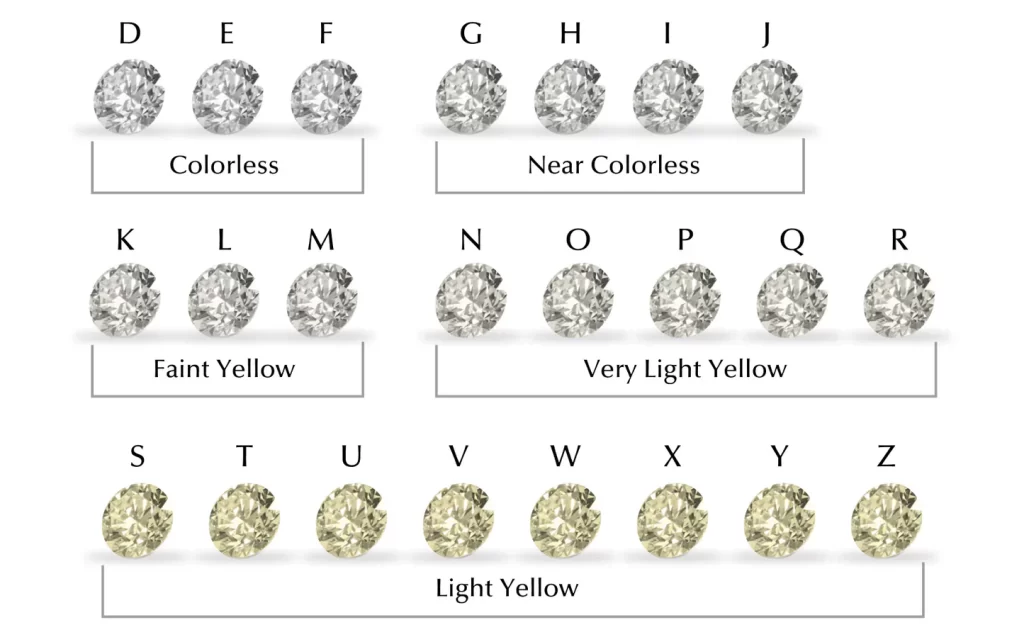
The highest grade & A perfect diamonds are colorless, with the scale ranging from D (Colorless exceptional white +) to Z (Light Yellow Or Brown). A Diamonds are also available in fancy colour, ranging from brownish to striking yellow, pink, purple, red, blue and green. There is also a grading scale for fluorescence as some diamonds react to UV light, ranging from nil, slight, medium to strong.
|
Grade
|
Description
|
Details
|
|---|---|---|
|
D
|
Absolutely Colorless
|
The highest color grade is pretty rare.
|
|
E
|
Colorless
|
Just minute traces of color can be recognized by a skilled gemologist. A rare diamond.
|
|
F
|
Colorless
|
Slight color is identified by an expert gemologist, but is still considered a "colorless" grade. An excellent-quality diamond.
|
|
G-H
|
Near-colorless
|
Color is obvious when compared to diamonds of higher grades, yet these grades provide excellent value.
|
|
I-J
|
Near-colorless
|
Color is slightly detectable. Gives an excellent value.
|
|
K-M
|
Faintly tinted
|
Usually yellow. Tint can be observed by the naked eye.
|
|
N-Z
|
Tinted
|
Usually yellow, but may turn to brownish. Tint is noticeable to the naked eye, even when mounted.
|
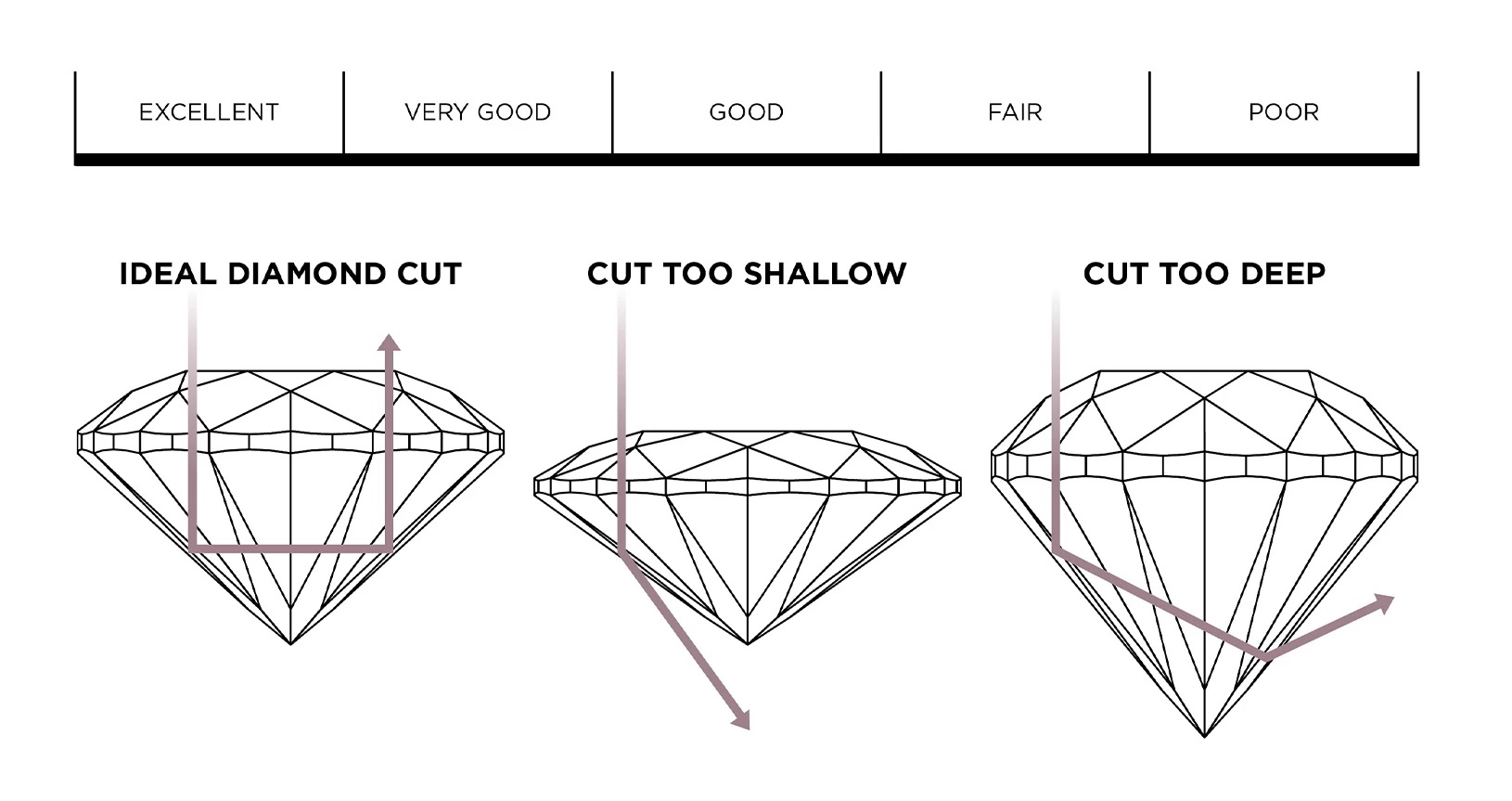
Describes the quality of the diamond’s facets, A well-cut diamond will have better sparkle and Brilliance.
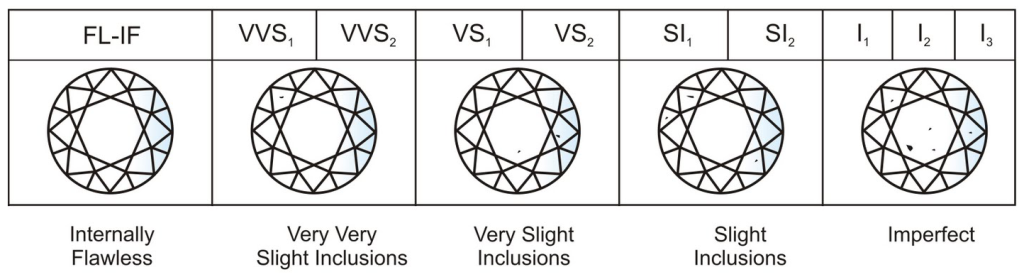
Diamond clarity is the quality & purity of diamonds that relates to the existence and visual appearance of internal characteristics of a diamond The clarity scale reflects the size, number and location of these characteristics when examined with a 10x loupe. Diamonds that have no inclusions visible to the naked eye are of excellent quality. The very best – and rarest – clarity is called ‘loupe clean’ or ‘LC’. This means that no inclusions can be found when examining the diamond with a loupe.
|
Grade
|
Name
|
Description
|
|---|---|---|
|
FL
|
Flawless
|
There are no obvious internal or exterior inclusions under 10× magnification for a skilled eye. The most rare and expensive of the clarity grades.
|
|
IF
|
Internally Flawless
|
A trained eye can detect no internal inclusions under 10× magnification, but there may be minor external irregularities in the finish.
|
|
VVS-1
|
Very Very Slightly Included 1
|
Under 10× magnification, a single small inclusion is typically apparent to a trained eye.
|
|
VVS-2
|
Very Very Slightly Included 2
|
A trained eye can see tiny inclusions under 10× magnification.
|
|
VS-1
|
Very Slightly Included 1
|
Very Small inclusions seen at 10x magnification.
|
|
VS-2
|
Very Slightly Included 2
|
Several very small inclusions visible with 10× magnification.
|
|
SI-1
|
Slightly Included 1
|
Small inclusions visible with 10× magnification.
|
|
SI-2
|
Slightly Included 2
|
Several small inclusions visible with 10× magnification.
|
|
I-1
|
Included 1
|
Inclusions that may be visible to the naked eye or for a trained observer.
|
|
I-2
|
Included 2
|
Many imperfections are obvious to the naked eye, which reduces the brilliance.
|
|
I-3
|
Included 3
|
Many imperfections that are obvious to the naked eye reduce the diamond's brilliance and impair its structure, making it easier to crack or chip.
|
Table
Pavillion
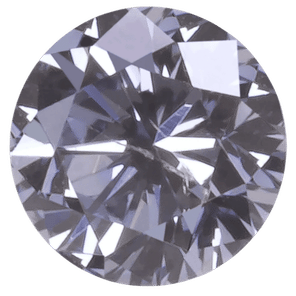
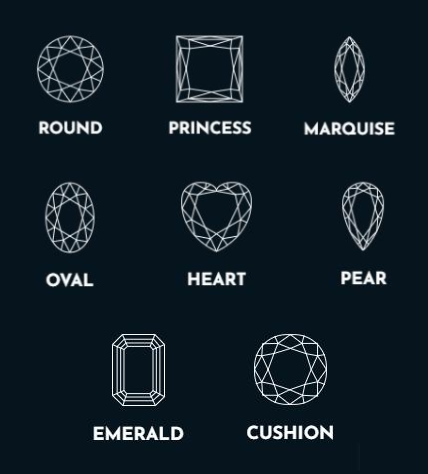
The timeless classic — known for its perfect symmetry and maximum sparkle.
Ideal For: Traditional, elegant, and versatile styles
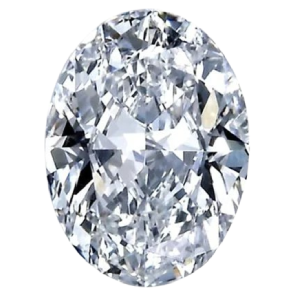
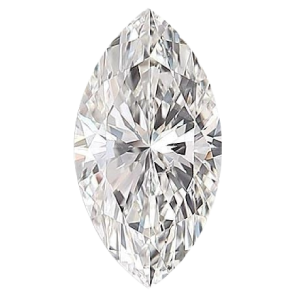
Elongated brilliance — offers the same sparkle as a round cut but with a slimming effect on the finger.
Ideal For: Sophisticated, modern tastes
Teardrop elegance — combines round and marquise cuts for a graceful silhouette.
Ideal For: Romantic and unique personalities
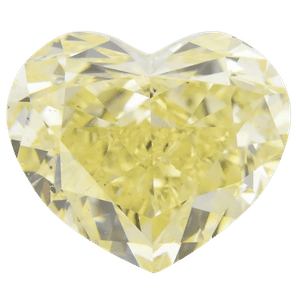
Symbol of love — rare and instantly expressive, this cut stands out.
Ideal For: Sentimental, bold styles
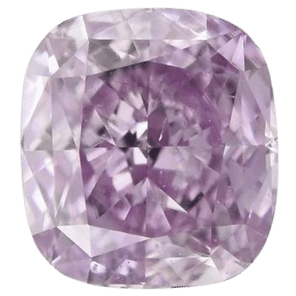
Soft and classic — rounded corners and large facets for a vintage appeal.
Ideal For: Romantic, vintage-inspired looks
Modern brilliance — combines step-cut edges with brilliant facets for intense sparkle.
Ideal For: Confident, contemporary styles
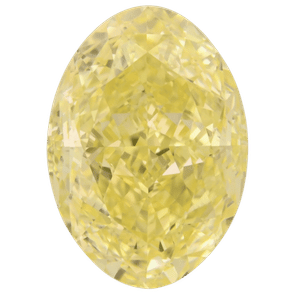
Royal elongation — makes fingers look longer and diamond appear larger.
Ideal For: Glamorous, statement lovers
Art Deco icon — square with step cuts for a hall-of-mirrors effect.
Ideal For: Vintage, geometric aesthetics